Steam, Soil, and Season: The Living Heritage of Uji Tea Groves
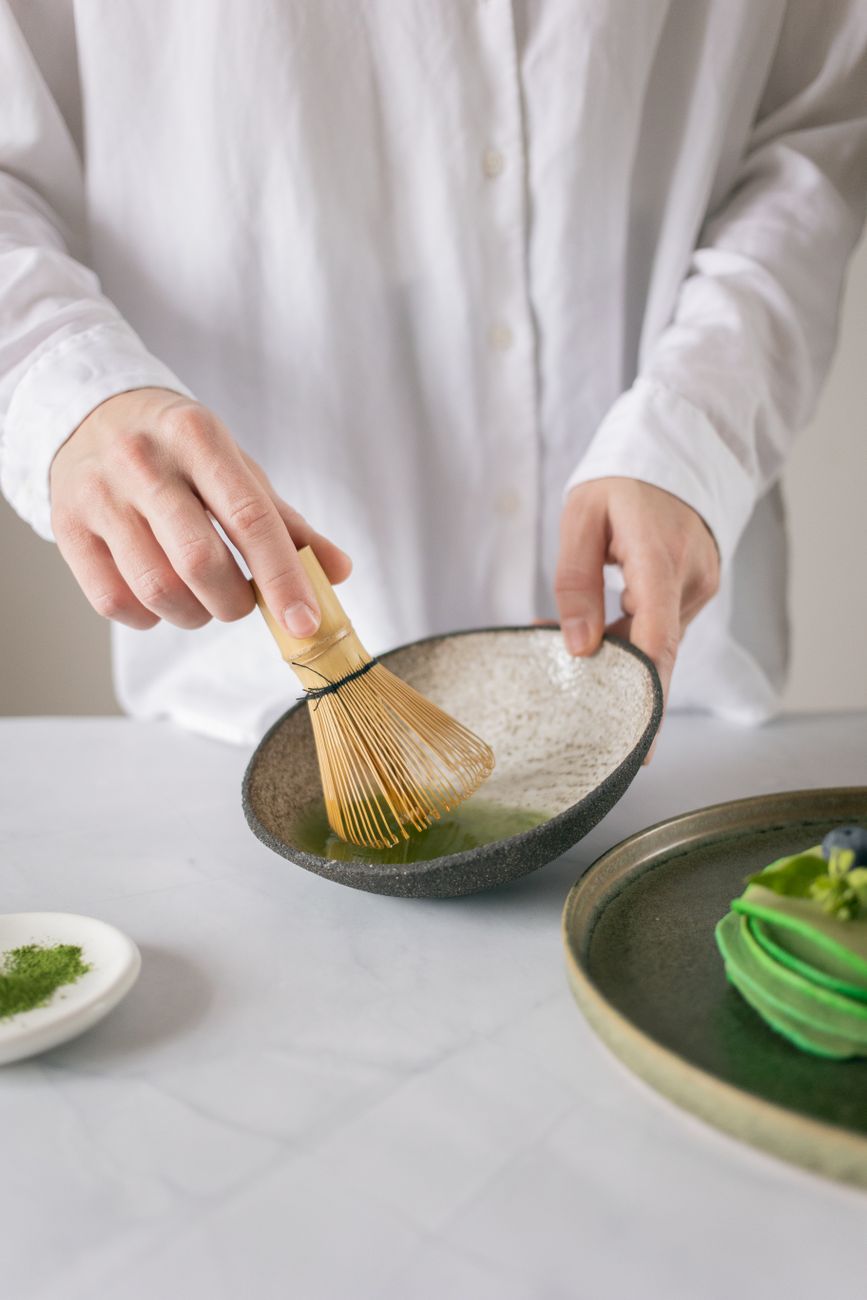
The meditative precision of stone-milling green tea tencha into ceremonial powder.
Table of Contents
Just south of Kyoto, where the Uji River carves a humid gorge through ancient slate hills, the morning fog clings stubbornly to rows of Camellia sinensis. This microclimate—rich with river moisture, shielded from intense afternoon sunlight, and nourished by mineral-dense subsoil—has nurtured Japan's most revered green tea for over eight hundred years.
The Shadow Architecture of the Hills
In early spring, weeks before the first flush (shincha) is harvested, the tea masters of Uji perform an ancient ritual known as oishita saibai. They construct overhead canopies of woven reeds and straw, progressively blocking out up to ninety-eight percent of direct sunlight. Denied solar radiation, the tea bush desperately generates chlorophyll and l-theanine, concentrating amino acids that produce the profound umami taste unique to ceremonial tencha and gyokuro.
We visited the terraced slopes of Wazuka alongside Master Takumi, whose family has tended the same parcel of ground since the Edo period. 'The plant suffers in the darkness,' Takumi explained, carefully lifting a translucent leaf. 'Yet from this struggle comes sweetness. If sunlight is too generous, the leaf hardens and turns bitter.'
"True tea is not made by machines or marketing; it is a conversation between rainfall, shadow, and human fingers."
Steam, Rolling, and Fire
Once picked by hand at dawn, the harvested leaves must be handled within hours. In small timber workshops, steam halts enzymatic oxidation, freezing the vibrant jade hue in place. From there, the leaves are carefully cooled, rolled, and dried over low heat before resting for months in cool cellars.
To witness Master Takumi hand-knead batch after batch over paper-lined charcoal kilns is to observe a master potter or calligrapher. His hands are calloused, his movements measured to the beat of an unseen metronome.
Savoring the Terroir of Patience
Sitting in a tatami room overlooking rain splashing onto moss gardens, a single bowl of freshly whisked matcha arrives. It is rich, frothy, and intensely green. The first sip carries notes of seaweed, sweet grass, and dampened stones. It is not merely a refreshment—it is the distillation of a landscape and eight centuries of unbroken human devotion.